
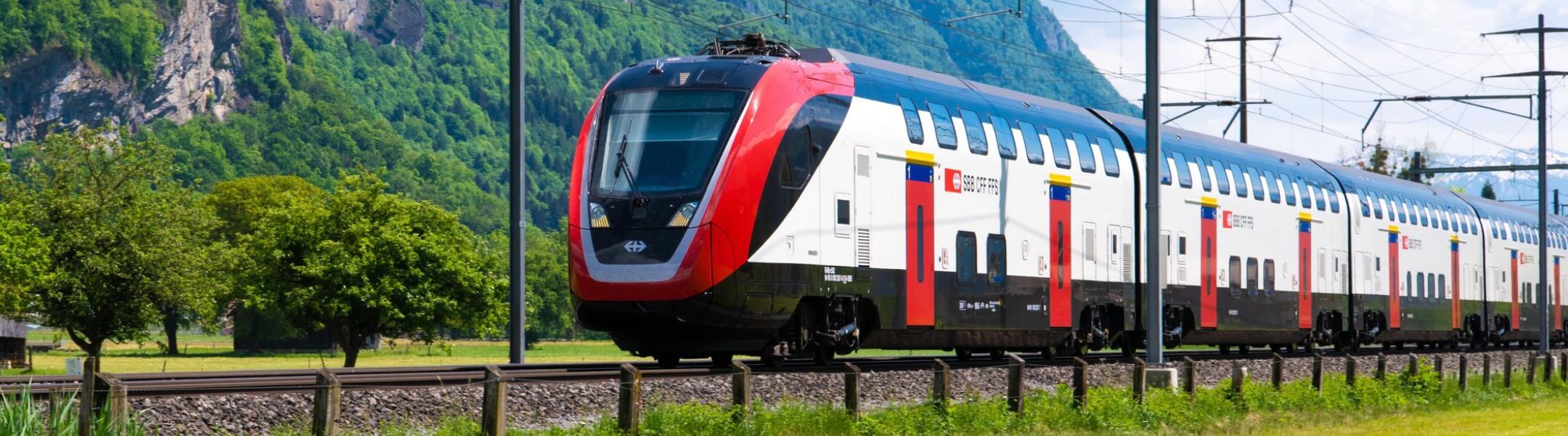
Metal Engineering and Fabrication For the Rail Sector
Rail manufacturing and infrastructure demand precision, consistency and reliability. From components used in rolling stock and station infrastructure to fabricated parts for maintenance, upgrades and engineering projects, manufacturers need metalwork produced accurately and consistently to specification.
Wrightform provides a comprehensive range of UK subcontract metal engineering services, including laser cutting, metal flattening and de-stressing, folding, deburring, finishing, welding and fabrication.
Whether you require an individual manufacturing process or a component taken through several stages of production, our capabilities allow us to support rail manufacturers, engineering businesses and supply-chain partners with both one-off and repeat requirements.
How We Support the Rail Sector
Our manufacturing capabilities can support a wide range of metal components and fabricated parts used throughout rail and transport infrastructure.
Rolling Stock Components
Precision laser cutting, folding and fabrication can be used to manufacture components, panels, brackets, supports, enclosures and assemblies for rolling stock manufacturing, refurbishment and maintenance.
Where components pass through several manufacturing stages, Wrightform can combine processes to reduce unnecessary handling between different subcontractors.
Rail Infrastructure & Station Equipment
Rail infrastructure requires a diverse range of manufactured metalwork, from structural and supporting components to housings, panels, brackets, access equipment and fabricated assemblies.
Our ability to work with stainless steel, mild steel and aluminium gives customers flexibility across both structural and non-structural applications.
Equipment Housings & Enclosures
Electrical, signalling, communications and control equipment frequently requires accurately manufactured metal housings, cabinets, covers and supporting components.
Precision laser cutting and forming help ensure dimensional consistency, while our finishing and fabrication capabilities allow components to progress through multiple operations within the same manufacturing facility.
Maintenance, Repair and Replacement Parts
Rail assets have long operational lives, meaning replacement components and engineering modifications can be required many years after equipment was originally manufactured.
Wrightform can support small batches, replacement components and repeat production, including manufacturing from customer drawings and specifications.
Why Flat, Stress-Free Metal Matters in Rail Manufacturing
Metal can contain internal stresses from its original production or from subsequent processes such as cutting and punching. These stresses may only become apparent when the material reaches the next manufacturing stage.
Components can bow, twist or move during bending, welding, machining or fabrication, potentially affecting dimensional accuracy and creating additional adjustment or rework.
Wrightform’s large-format industrial metal levelling capability can improve flatness and reduce internal stresses before components continue through production.
Starting with flatter, more stable material can provide several advantages:
- More predictable bending and forming
- Improved dimensional consistency
- Better fit-up during fabrication and assembly
- Reduced movement during subsequent processing
- Less adjustment and rework
- More consistent finished components
For repeat rail manufacturing, where the same component may be produced many times, predictability and repeatability can be particularly valuable.
Multiple Processes. One Manufacturing Partner.
Rail components rarely require just one manufacturing operation.
A component may begin as sheet or plate before being laser cut, levelled, deburred, folded, welded and fabricated into its final form.
Wrightform’s broad in-house capabilities allow customers to choose the level of support they require.
LASER CUT → FLATTEN & DE-STRESS → DEBURR → FOLD → WELD → FABRICATE
Sometimes that means carrying out a single specialist process. On other projects, we can take responsibility for several stages of manufacture before supplying a finished or part-finished component ready for the customer’s next operation.
This can simplify the subcontract supply chain while helping maintain consistency between processes.
Quality-Assured Manufacturing for Rail Supply Chains
Rail is a highly controlled industry where quality, safety, consistency and supplier assurance can be fundamental considerations when selecting manufacturing partners. RISQS, the rail industry’s supplier qualification scheme, specifically enables buyers to assess suppliers according to capabilities and safety and quality credentials.
Wrightform operates independently certified management systems covering quality, environmental management and occupational health & safety, alongside certified Factory Production Control for applicable structural work.
ISO 9001 – Quality Management
Supporting controlled and consistent manufacturing processes, with a focus on meeting customer requirements, repeatability and continual improvement.
ISO 14001 – Environmental Management
Providing a structured approach to environmental responsibility, resource management and the environmental impact of our manufacturing operations.
ISO 45001 – Health & Safety Management
Demonstrating a systematic approach to managing occupational health and safety risks throughout our manufacturing activities.
EN 1090 – Execution Class 2
Providing certified Factory Production Control for applicable structural work and supporting controlled steel preparation and manufacturing processes.
Together, these certifications provide independent assurance of the management systems behind Wrightform’s manufacturing capabilities, helping us support customers operating within quality-critical and regulated supply chains.
“For rail manufacturing, precision matters. So does the quality system behind every component.”
FAQs — Rail Sector Manufacturing
Why is dimensional consistency important when manufacturing components for the rail industry?
Rail equipment can remain in service for decades, with components required for new manufacture, maintenance, refurbishment and replacement. Consistent dimensions help components fit correctly during assembly and can be particularly important where the same part is manufactured repeatedly across different production batches.
Can Wrightform manufacture replacement components for older rail equipment?
Yes. Wrightform can manufacture one-off and small-batch replacement components from customer-supplied drawings and specifications. This can be useful for refurbishment and maintenance projects where original components are no longer readily available or where replacement parts need to integrate with existing equipment.
How can metal levelling improve fabricated rail components?
Laser cutting, punching and other manufacturing processes can leave or release stresses within sheet and plate, causing components to bow, twist or move during subsequent processing. Industrial roller levelling improves flatness and material stability before bending, welding and fabrication, helping achieve more predictable fit-up and dimensional consistency.
Can Wrightform support repeat production of rail components?
Yes. Wrightform can manufacture repeat batches using processes including laser cutting, levelling, deburring, folding and fabrication. Keeping several operations within one manufacturing facility can help establish a consistent production route for components required repeatedly.
What types of metal components can Wrightform manufacture for rail applications?
Our capabilities are suitable for a broad range of components including panels, brackets, supports, plates, covers, housings, enclosures and fabricated assemblies used within rolling stock, station equipment, infrastructure and associated engineering systems. Suitability is assessed against the individual drawing, material and project requirements.
Why might rail manufacturers use a multi-process subcontract manufacturer?
Components often require several operations before assembly. Combining processes such as laser cutting, flattening, deburring, folding and fabrication through one subcontract manufacturer can reduce transportation and handling between suppliers while providing greater continuity between manufacturing stages.
What quality certifications does Wrightform hold?
Wrightform operates management systems certified to ISO 9001 for Quality Management, ISO 14001 for Environmental Management and ISO 45001 for Occupational Health & Safety, alongside EN 1090 Execution Class 2 certification for applicable structural work.
These certifications provide independent assurance of the systems and controls supporting our manufacturing operations.